-p-500.png)
Infant Oral Health
Healthy smiles start earlier than many parents realize. At Up Pediatric Dentistry, we provide gentle infant oral health care to help you understand your baby’s developing teeth, gums, feeding habits, and daily dental care. Your baby’s first visit is also a chance to ask questions about teething, brushing, pacifier or thumb habits, and what to expect as new teeth begin to appear.
Why Is Infant Oral Health Important?
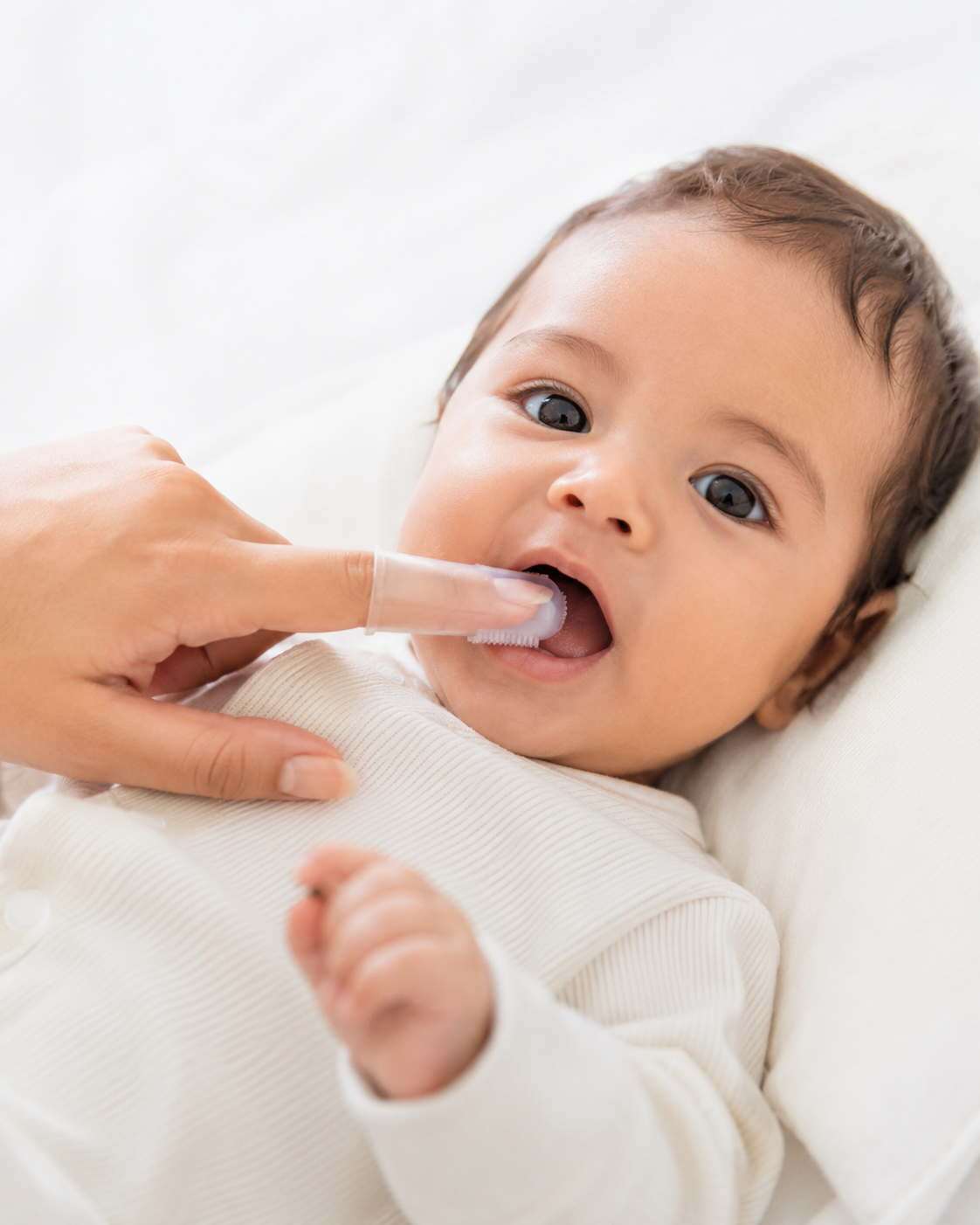
Your baby’s mouth changes quickly during the first years of life. Even before all of the baby teeth appear, parents can begin building habits that support healthy teeth and gums. Early dental visits allow Dr. Barnes to check how your baby’s mouth and teeth are developing, look for early signs of dental concerns, and help you understand how to care for new teeth at home.
The American Academy of Pediatric Dentistry recommends establishing a dental home when the first tooth appears or no later than your child’s first birthday. Starting early also gives parents reliable guidance before concerns such as cavities, feeding habits, or oral habits become harder to manage.
Did You Know?

Your baby should have their first dental visit when the first tooth appears or no later than their first birthday.
Meet Our Pediatric Dentists
Pediatric Dentist, Board-Certified & Mother
Get To Know Dr. Breanna Barnes
Dr. Breanna Barnes’s journey into dentistry is one of rediscovery and passion, deeply rooted in her childhood in Olathe, Kansas. Growing up as the daughter of a pediatric dentist, she spent summers immersed in the day-to-day operations of her father’s practice. While initially envisioning a future in medical science or interior design, it wasn’t until college that she realized how dentistry uniquely combines her love of science, creativity, and helping others.
After graduating with honors from Southern Methodist University, Dr. Barnes went on to earn her dental and public health degrees at the Arizona School of Dentistry and Oral Health. Her dedication to specialized pediatric care led her to complete a residency at the University of Tennessee, where she also earned a Master of Dental Science. As a board-certified pediatric dentist, Dr. Barnes has advanced training in infant frenectomies, laser dentistry, and esthetic restorations like zirconia crowns, enabling her to provide gentle, comprehensive care tailored to each child’s needs.
Driven by a vision to provide compassionate, quality-focused care, Dr. Barnes opened Songbird Pediatric Dentistry to create a welcoming, patient-first practice. Recognizing a need in Fairview, she established the area’s first pediatric dental office, adopting a mom-run, non-corporate approach to dental care. Shortly after, she acquired Up Pediatric Dentistry, where she continues to make exceptional pediatric dental care available to her community. At both of her practices, her goal is to create an environment where every family feels genuinely valued and supported.
Dr. Barnes is particularly passionate about serving children with special needs, including those on the autism spectrum, and infants experiencing nursing challenges due to lip or tongue ties. Her holistic philosophy extends beyond treating dental concerns to addressing underlying causes and preventing future issues. Her mission is to make every child’s dental visit a positive, fun, and supportive experience.
Outside of the office, Dr. Barnes is a wife and proud mother of two toddlers. She enjoys baking gluten-free desserts, exploring antique shops, staying active, and spending time in nature. Both her professional expertise and personal experiences as a parent influence her warm, empathetic approach to pediatric dentistry.

Board-Certified Pediatric Dentist & Mother
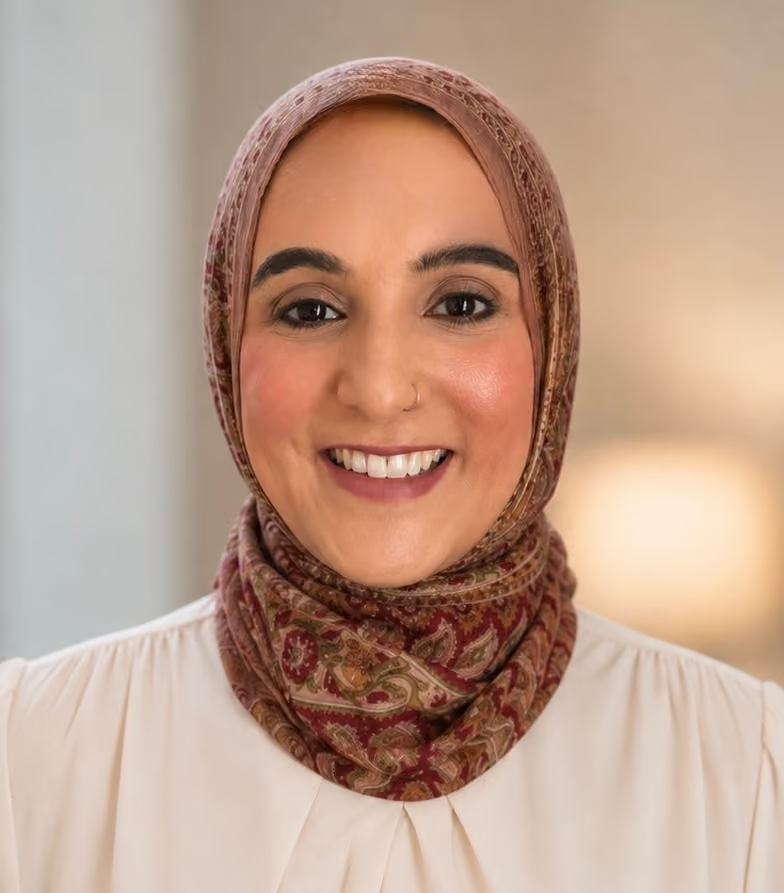
Get To Know Dr. Sara Ahmed
Dr. Sara Ahmed was born in St. Paul, Minnesota, and is proud to now call Nashville home after relocating from Boston, Massachusetts. Before moving to Nashville, she served as a full-time faculty member in the Department of Dentistry at Boston Children’s Hospital and as an Instructor in Developmental Biology at Harvard School of Dental Medicine.
Dr. Ahmed completed her pediatric dental residency at the Eastman Institute for Oral Health at the University of Rochester. She earned her Doctor of Dental Medicine degree from the University of Pennsylvania School of Dental Medicine, where she graduated with honors in community service, and received her Bachelor of Science degree with high distinction from the University of Michigan.
As a board-certified pediatric dentist, Dr. Ahmed has extensive experience caring for children with complex medical and special healthcare needs. She is passionate about providing compassionate, individualized care and has had the opportunity to lecture on pediatric dental topics both locally and nationally. She is also fluent in Arabic and Urdu.
Outside of dentistry, Dr. Ahmed loves cooking, practicing yoga, and exploring everything Nashville has to offer. She is always excited to discover a new restaurant or coffee shop and enjoys spending time with her husband and two daughters. Most of all, she loves being a mom and is grateful to be putting down roots and building a life with her family in Nashville.
A HEALTHY START FOR LITTLE SMILES
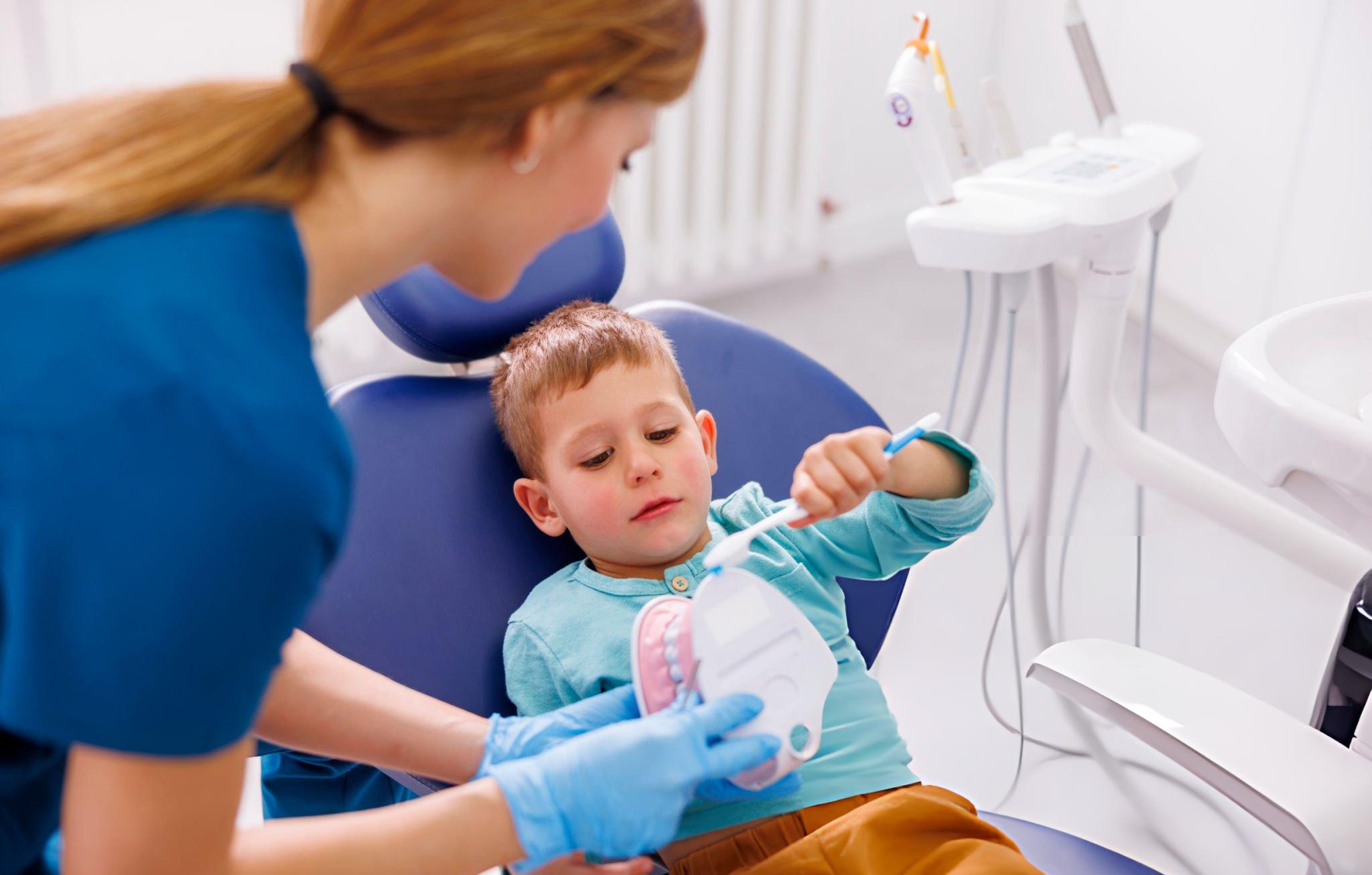
Your baby’s first dental visits help set the foundation for healthy teeth and gums. Dr. Barnes gently checks your baby’s oral development while answering questions about teething, brushing, feeding habits, fluoride, and cavity prevention. We make early visits simple, comfortable, and helpful for both babies and parents.
INFANT DENTAL VISIT INCLUDES:
GENTLE ORAL EXAM
PERSONALIZED PARENT GUIDANCE

Why Parents Choose Us for Infant Dental Care

Board-Certified Care From the Start
Dr. Breanna Barnes is a board-certified pediatric dentist with specialized training focused on children’s developing oral health. She provides age-appropriate care to help parents understand what to expect as their baby’s teeth, gums, and mouth develop.
Advanced Training in Infant Frenectomies
Dr. Barnes has advanced training in infant frenectomies and laser dentistry, allowing her to evaluate oral restrictions that may affect feeding and oral function. When a lip or tongue tie is a concern, families can receive specialized assessment and guidance within the same pediatric dental practice.
Gentle, Family-Centered First Visits
Your baby’s first dental visit is designed to be comfortable for both child and parent. Our team uses gentle exams, personalized care, and a welcoming environment while giving parents time to ask questions about brushing, teething, feeding habits, and their baby’s developing smile.
The Benefits of Early Infant Dental Care
Catch Dental Concerns Early
Baby teeth can develop cavities soon after they erupt. An early dental examination gives the dentist an opportunity to check newly erupted teeth, gums, and oral development and identify concerns before they become more difficult to manage.
Learn How to Care for Baby Teeth
Parents often have questions about when to start brushing, what toothpaste to use, and how much toothpaste is appropriate. Once the first tooth erupts, the AAPD recommends brushing twice daily with a soft, age-appropriate toothbrush and a tiny smear, about the size of a grain of rice, of fluoride toothpaste for children younger than three.
Build a Comfortable Dental Routine
Introducing dental visits early allows your child to become familiar with the dental office before treatment is needed. It also gives parents a trusted place to ask questions as teeth erupt, eating habits change, and their child grows.

INFANT DENTAL VISIT INCLUDES:
GENTLE ORAL EXAM
PERSONALIZED PARENT GUIDANCE
A HEALTHY START FOR LITTLE SMILES
Your baby’s first dental visits help set the foundation for healthy teeth and gums. Dr. Barnes gently checks your baby’s oral development while answering questions about teething, brushing, feeding habits, fluoride, and cavity prevention. We make early visits simple, comfortable, and helpful for both babies and parents.
Infant Dental Visit Includes:
Review Your Baby’s Health & Habits
We begin by discussing your baby’s medical history, feeding routine, teething, oral habits, and any concerns you have about their developing smile.
Perform a Gentle Oral Exam
Dr. Barnes gently checks your baby’s gums, newly erupted teeth, bite, and overall oral development while looking for early signs of cavities or other concerns.
Create a Personalized Care Plan
After the exam, we explain what we found and provide age-appropriate guidance for brushing, fluoride, teething, feeding habits, cavity prevention, and future dental visits.
Reviews From Nashville Families
Why Parents Trust Up Pediatric Dentistry
Convenient Location for Parents around Nashville, TN
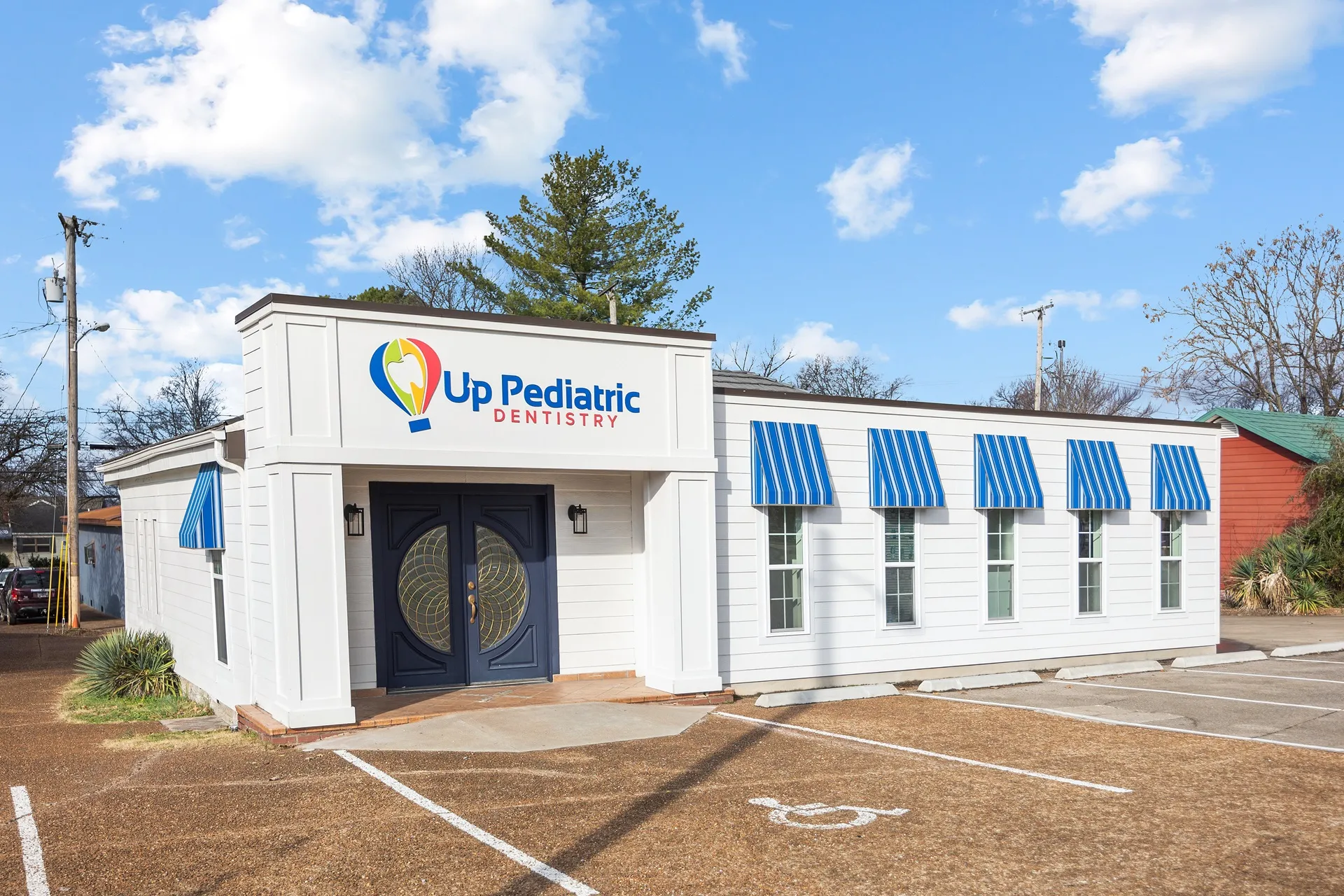
Up Pediatric Dentistry is conveniently located at 2829 Columbine Pl, Nashville, TN 37204, making it easy for families throughout Nashville and nearby communities to access specialized pediatric dental care. Our office proudly serves infants, children, teens, and children with special healthcare needs, providing comprehensive dental services in a comfortable and child-friendly environment.
Families from 12 South, Berry Hill, Belmont, Green Hills, Hillsboro Village, West End, and surrounding Middle Tennessee communities can easily reach our practice for routine checkups, preventive care, emergency dental visits, and specialized pediatric treatments. Our team is committed to providing convenient, personalized dental care close to home while helping children build healthy smiles that last a lifetime.