-p-500.png)
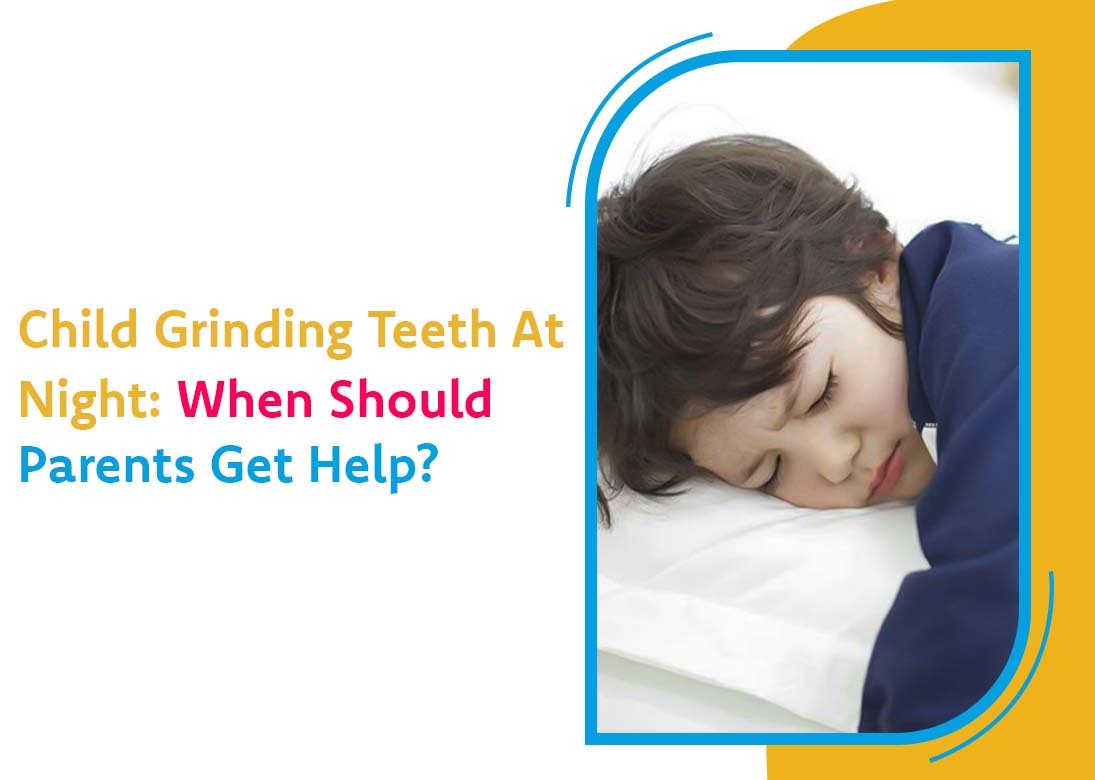
Child Grinding Teeth at Night: When Should Parents Get Help?
Hearing scraping sounds from your child’s room can be unsettling. A child grinding teeth at night is often doing it without knowing, and many children stop as they grow.
What matters more is whether grinding comes with worn teeth, jaw pain, headaches, poor sleep, snoring, or mouth breathing. Those signs help parents decide whether to monitor the pattern or arrange a dental visit. The American Academy of Pediatrics guidance on teeth grinding in children also advises discussing persistent symptoms with a child’s dentist or doctor.
Is Child Grinding Teeth At Night Normal?
Teeth grinding in children is common, especially in toddlers and preschoolers. Some children grind occasionally, while others make the sound most nights. Many grow out of it as their teeth and jaws develop.
Occasional grinding is less concerning when your child wakes comfortably, eats normally, sleeps well, and has no visible tooth changes. Regular children’s dental checkups can help track tooth wear over time.
Why Does Your Child Grind Teeth At Night?
Parents often ask, “Why does my child grind teeth?” There is no single reason. Growing teeth, stress, discomfort, and sleep quality can all play a role.
New Teeth And Child Grinding
Grinding can appear while new teeth are coming in or while a child’s bite is changing. Older children also go through periods when baby teeth fall out and permanent teeth move into place, changing how the upper and lower teeth meet.
Stress And Nighttime Teeth Grinding
Starting school, moving, a new sibling, friendship problems, or a changed routine can add stress. Parents can mention these patterns during habit-focused dental guidance, especially when grinding begins after a noticeable change.
Snoring And Restless Sleep
Kids grinding teeth at night may also snore, breathe through the mouth, toss and turn, or seem tired the next day. Grinding does not prove there is a breathing problem, but the combination deserves attention.
An airway-focused dental evaluation may be one part of deciding whether further medical assessment is needed.
Signs Teeth Grinding Is Becoming A Problem
The sound alone cannot show whether the teeth are being harmed. Look for changes your child can feel and changes you can see.
Visible Tooth Wear From Grinding
Watch for flattened tooth edges, teeth that look shorter, small chips, cracks, or unusual wear. Permanent teeth deserve prompt attention when grinding is causing visible damage.
Morning Symptoms From Teeth Grinding
Ask about morning jaw soreness, facial discomfort, headaches, tooth sensitivity, or pain while chewing. Younger children may simply rub their cheeks, avoid harder foods, or say a tooth “feels funny.”
When Does Child Teeth Grinding Need Help?
Parents do not need to panic every time they hear grinding. A simple monitor-versus-check approach makes the decision easier.
When Child Teeth Grinding Can Be Monitored
Monitoring may be reasonable when grinding is occasional, your child has no pain, the teeth look normal, sleep seems restful, and there are no daytime symptoms. Note how often it happens and mention it at the next visit.
When Teeth Grinding Needs A Dental Visit
Schedule an exam for worn or chipped teeth, repeated jaw pain, headaches, sensitivity, pain with chewing, or grinding that seems to be getting worse. Dr. Barnes can examine the teeth for wear and help parents understand whether monitoring or closer follow-up makes sense.
If a tooth chips or breaks and your child is in pain, urgent dental care for children may be more appropriate than waiting for a routine appointment.
When Teeth Grinding And Sleep Signs Matter
Regular loud snoring, frequent mouth breathing, restless sleep, or unusual daytime tiredness should also be discussed with your child’s pediatrician. Grinding alone does not diagnose a sleep problem, but it is useful information when it appears with other sleep symptoms.
What Helps Child Teeth Grinding At Home?
Observe rather than trying to stop the sound in the moment. Keep bedtime and wake-up times consistent, create a calm wind-down routine, and reduce screens before bed. Quiet reading, a warm bath, or relaxed conversation can help a child settle.
Do not scold a child for grinding while asleep. Keep a one-week note of grinding nights, snoring, mouth breathing, headaches, jaw pain, and daytime tiredness. For toddler grinding teeth during sleep, this record is more useful than guessing from one noisy night.
Dr. Barnes can use those observations with the dental exam to guide parents on what should be watched next.
What Will A Pediatric Dentist Check?
A pediatric dentist may look for worn tooth surfaces, chips, sensitivity, jaw tenderness, and changes in how the teeth meet. The dentist may also ask when grinding started, how often it happens, whether the child snores, and whether there are morning symptoms.
Dr. Barnes can compare what parents notice at home with what is visible during the exam. Not every child needs a night guard.
For growing children, the decision depends on age, tooth development, symptoms, and whether teeth are being damaged. Ongoing preventive dental care for kids can make changes easier to catch early.
Protect Your Child’s Teeth And Sleep
Nighttime grinding is often something parents can monitor, but symptoms matter more than sound. Watch for worn teeth, sensitivity, jaw pain, headaches, and sleep changes. If these appear, a pediatric dental exam can clarify whether treatment, monitoring, or another evaluation is the right next step.
Why Choose Up Pediatric Dentistry?
Up Pediatric Dentistry gives parents a child-focused place to discuss nighttime grinding, tooth wear, jaw discomfort, and related sleep concerns. The team can examine developing teeth, explain what needs monitoring, and guide families toward appropriate next steps while keeping each child’s comfort, age, and dental needs in mind in Nashville.
FAQs About Kids Grinding Teeth At Night
Should I Wake My Child If They Grind Their Teeth?
Usually, no. Waking a sleeping child may interrupt rest without stopping the habit. Instead, note how often the grinding happens and watch for pain, worn teeth, snoring, or poor sleep. Share repeated patterns with the dentist.
Can Grinding Damage My Child’s Permanent Teeth?
Yes, frequent or forceful grinding can wear, chip, or crack permanent teeth over time. If you notice shorter tooth edges, sensitivity, pain, or visible damage, arrange a dental exam rather than waiting to see if it stops.
Why Is My Toddler Grinding Their Teeth During Sleep?
A toddler may grind while new teeth come in, the bite changes, or sleep patterns develop. If there is no pain or visible damage, monitoring may be enough. Ask for help if grinding is frequent or paired with poor sleep.
Does My Child Need A Night Guard For Teeth Grinding?
Not every child who grinds needs a night guard. Because children’s teeth and jaws are still changing, a dentist should first check for actual wear, pain, and tooth development before deciding whether protection is appropriate.
Is Grinding With Snoring More Concerning?
Grinding plus regular snoring, mouth breathing, restless sleep, or daytime tiredness deserves closer attention. Tell both your child’s dentist and pediatrician so they can decide whether dental monitoring or further sleep evaluation is needed.
Related Blogs
Child Mouth Breathing: 7 Dental Signs Parents Often Miss Now
Child Grinding Teeth at Night: When Should Parents Get Help?
Pediatric Airway Dentistry: When Breathing Changes the Smile