-p-500.png)
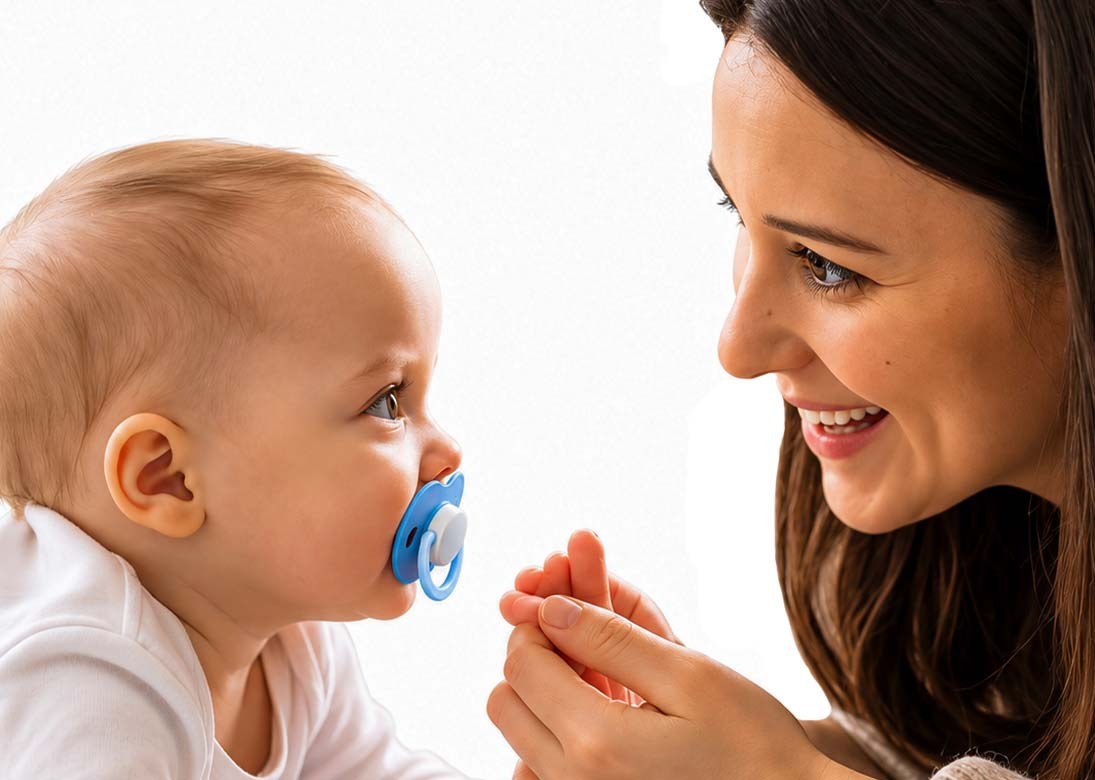
Pacifier Teeth: What Changes Are Normal and What Needs Help?
If your toddler loves a pacifier and you notice their smile changing, you may wonder whether you are seeing normal growth or pacifier teeth. Pacifiers can provide comfort, but frequent use over a long time can affect how growing teeth sit and meet. Age, daily use, and visible changes matter most.
Here is how to understand the pacifier effect on teeth, what to watch at home, when to cut back, and when a dental check can help.
What Are Pacifier Teeth?
“Pacifier teeth” describes tooth changes linked with frequent pacifier sucking over time. A toddler may develop a space between the upper and lower front teeth, front teeth that lean forward, or teeth that meet unevenly.
Why Pacifier Use Can Change Growing Teeth
A pacifier rests in the same area repeatedly. Sucking adds gentle pressure to growing teeth, and that pressure can slowly influence where they sit. Long-term daily use matters more than occasional use for a nap or car ride.
Which Pacifier Teeth Changes Are Normal?
Not every pacifier user develops pacifier teeth damage. Small spaces between baby teeth can be part of normal growth and are not automatically caused by a pacifier.
Look at function as well as appearance. If the front teeth meet, your child bites foods comfortably, and the smile is not clearly changing, there may be little reason for immediate concern.
Bedtime-only use is also different from keeping a pacifier in much of the day. Dr. Barnes helps parents consider the whole pattern rather than the pacifier alone. Routine dental checkups for children can make pacifier mouth changes in a toddler easier to track.
What Pacifier Teeth Signs Need Attention?
Some changes deserve a closer look.
Front Teeth No Longer Meet
Ask your child to close their back teeth together. A clear space between the upper and lower front teeth, especially one that is growing, is worth checking.
Front Teeth Begin Tilting Forward
Compare recent photos if the upper front teeth seem more pushed forward than before. A change that becomes clearer over several months should not be ignored.
Teeth Fit Differently From Side To Side
Notice whether one side closes differently or your child struggles to bite foods with the front teeth. Parents seeing these pacifier dental problems can ask about help with ongoing oral habits.
When Should A Toddler Stop The Pacifier?
Timing becomes more important as a child grows. Current AAPD guidance on pacifier use says use beyond about 18 months can begin influencing growing teeth and how they meet. Ending the prolonged habit before age 3 gives early changes a better chance to improve.
A simple approach is:
Before 18 months: keep use limited rather than constant.
From 18 months onward: start reducing long daytime use.
By age 3: aim to stop regular pacifier sucking.
If your child is already close to 3, begin reducing now rather than waiting for visible changes.
Will Pacifier Teeth Go Back To Normal?
Some mild changes can improve after the pacifier is removed, especially when the habit stops early. The AAPD notes that certain front-tooth changes may improve when pacifier use ends before age 3.
There is no fixed recovery timeline. Age, total daily use, how long the habit lasted, and how noticeable the change is all matter.
Dr. Barnes can help parents decide whether teeth simply need time or should be watched more closely. Preventive care for growing smiles can also help track changes as new teeth appear.
How Can Parents Reduce Pacifier Dental Problems?
Stopping can be easier when the routine changes in stages.
Move From Daytime Use To Sleep Only
Remove the pacifier during play, meals, and other easy times first. If sleep is the hardest part, keep it for naps or bedtime temporarily.
Replace The Comfort, Not Just The Pacifier
Try a story, cuddling, a favorite stuffed toy, quiet music, or another predictable bedtime cue. This gives your toddler a new way to settle.
Pick A Consistent Goodbye Plan
Choose a simple date or milestone and keep the message positive. Avoid taking the pacifier away and repeatedly returning it after protests.
Do not assume a special-shaped pacifier makes long-term use harmless. AAPD guidance says evidence is not strong enough to show that one shape prevents tooth changes better than stopping the habit.
If mouth breathing or sleep concerns are also present, ask whether an airway-focused dental evaluation fits your child's needs.
When Do Pacifier Teeth Need A Dentist?
Schedule a check if the front teeth no longer touch, upper teeth are becoming more pushed forward, one side closes differently, biting foods is difficult, or changes remain after stopping the pacifier.
A visit does not automatically mean treatment. Often, the first step is checking how the teeth meet and watching what changes after the habit ends.
Dr. Barnes can guide parents on what to monitor and when another check makes sense. Families can also address other concerns through pediatric dental care.
Know When Pacifier Changes Need Help
Pacifier use does not automatically mean damaged teeth. Age, daily use, and visible changes matter most. Start reducing prolonged use during the toddler years, watch how the front teeth meet, and get guidance if changes become noticeable or remain after the habit stops.
Why Choose Up Pediatric Dentistry?
At Up Pediatric Dentistry, families receive thoughtful guidance for growing smiles and everyday habits like pacifier use. Dr. Barnes helps parents understand visible tooth changes, decide when monitoring is enough, and know when a closer dental check may help, with recommendations shaped around each child's current needs and development stage.
Pacifier Teeth FAQs
Can A Pacifier Damage Teeth Before Age 2?
Frequent pacifier use can begin affecting growing teeth before age 2, especially as use continues past about 18 months. Occasional use is different from all-day sucking, so age, daily hours, and visible tooth changes should all be considered.
Is Using A Pacifier Only At Night Bad For Teeth?
Nighttime-only pacifier use usually means fewer total hours than all-day use, but repeated sucking can still affect growing teeth if the habit continues for years. Reducing daytime use is a useful first step, followed by a plan to stop.
How Long After Stopping A Pacifier Do Teeth Improve?
There is no exact number of weeks for pacifier teeth to improve. Mild changes may begin shifting after the habit stops, but age and severity matter. If the front teeth still do not meet or changes look marked, schedule a dental check.
Are Special-Shaped Pacifiers Better For Toddler Teeth?
Special-shaped pacifiers may change where pressure is placed, but they do not make prolonged use risk-free. The best way to reduce pacifier dental problems is to limit total use and work toward stopping the habit as your toddler gets older.
Should I See A Dentist If My Toddler's Front Teeth Do Not Touch?
Yes, a dental visit is reasonable if your toddler's front teeth do not meet when the back teeth are together. The dentist can check whether pacifier use is contributing, document the change, and explain whether stopping and monitoring are enough.
Related Blogs
Pacifier Teeth: What Changes Are Normal and What Needs Help?
Child Mouth Breathing: 7 Dental Signs Parents Often Miss Now
Child Grinding Teeth at Night: When Should Parents Get Help?