-p-500.png)

Pediatric Airway Dentistry: When Breathing Changes the Smile
A child who sleeps with an open mouth, snores, grinds their teeth, or develops crowded teeth may seem to have unrelated concerns. In some children, these patterns can overlap. Pediatric airway dentistry looks at how breathing habits, tongue position, jaw growth, sleep clues, and the developing smile may fit together.
Notice repeated patterns rather than assuming every symptom means something is wrong. Dr. Barnes helps parents connect what they notice at home with what can be seen during a dental visit.
What Is Pediatric Airway Dentistry?
Pediatric airway dentistry looks beyond cavities. It considers how a child breathes, how the tongue rests, how the jaws are growing, and how the teeth are coming in.
During airway-focused pediatric dental care, the dentist may ask about snoring, open-mouth sleep, daytime mouth breathing, restless sleep, and teeth grinding. The bite, tongue movement, and jaw development can also provide clues.
The American Academy of Pediatric Dentistry encourages pediatric dentists to screen for snoring and sleep-related breathing concerns and refer children for appropriate medical evaluation when needed.
How It Differs From A Regular Dental Checkup
A regular checkup focuses mainly on teeth, gums, cavities, cleaning, and dental growth. An airway-focused evaluation adds breathing and sleep questions plus a closer look at tongue position, jaw development, and mouth posture. Routine children's dental exams also help track changes over time.
How Breathing Can Change A Child's Smile
Breathing does not change a smile overnight. Repeated patterns matter more.
When the mouth often stays open, the tongue may rest lower instead of sitting comfortably against the roof of the mouth. Over time, ongoing mouth breathing can appear alongside crowding, bite changes, a narrower-looking smile, dry mouth, or difficulty keeping the lips together.
Mouth Breathing And Growing Teeth
Frequent mouth breathing may cause a dry mouth, making brushing, hydration, and preventive care for growing smiles important.
If you notice crowding, a changing bite, or frequent open-mouth posture, do not assume one caused the other. Share the signs together so the dentist can see the full pattern.
Tongue And Jaw Growth
Tongue position is part of how the mouth functions while a child grows. If tongue movement seems limited, Dr. Barnes can examine oral function and help parents understand whether closer evaluation is useful. When needed, tongue and lip movement care can be discussed without assuming treatment is necessary.
Signs Your Child May Need An Airway Evaluation
One symptom does not prove a breathing problem. Repeated patterns are more useful to discuss with a pediatric airway dentist.
Signs During Sleep
Watch for regular snoring, sleeping with the mouth open, restless sleep, frequent waking, or repeated teeth grinding. A few noisy nights during a cold are different from symptoms that continue when your child otherwise feels well.
Signs During The Day
Notice whether your child often breathes through the mouth while reading, watching TV, or relaxing. Also note unusual tiredness after sleep or difficulty keeping the lips comfortably together.
Signs In The Smile
Crowded teeth, a changing bite, or a narrow-looking smile may be worth discussing, especially when they occur with mouth breathing or snoring. These changes can have several causes, so the goal is evaluation, not guessing.
What Airway Signs Parents Can Check At Home
Observe your child when healthy and relaxed. Notice daytime open-mouth posture, then listen at night for regular snoring, restless movement, or teeth grinding.
Write down what you notice for a week or two. Avoid forcing the mouth closed or trying internet fixes before you know why the pattern is happening. Guidance for healthier oral habits may help with some behaviors, but breathing concerns should be evaluated first.
What Happens During A Child Airway Evaluation?
A child airway evaluation is about gathering clues, not rushing into treatment. The dentist combines what parents notice at home with what can be seen in the mouth.
Breathing And Sleep Questions
Expect questions about snoring, mouth breathing, teeth grinding, sleep quality, daytime energy, and how long the pattern has been present.
Teeth, Tongue And Jaw Check
The dentist may look at tooth crowding, the bite, jaw growth, lip posture, tongue position, and tongue movement. Dental images may sometimes be considered when useful for the child's care.
Deciding The Next Step
An airway evaluation does not automatically mean treatment. The next step may be monitoring growth, improving habits, addressing a dental concern, or recommending another healthcare evaluation. The right choice depends on the child's complete picture, not one symptom.
When Should You See A Pediatric Airway Dentist?
Consider discussing an evaluation when your child regularly mouth-breathes while healthy, snores, sleeps with an open mouth, grinds their teeth, sleeps restlessly, or develops noticeable crowding or bite changes.
You do not need to identify the cause yourself. A kids airway dentist can look for dental clues, compare them with breathing habits, and explain whether monitoring or another evaluation makes sense. This is the practical value of airway dentistry for children.
Support Your Child's Airway And Smile
Pediatric airway dentistry can help parents make sense of signs that may otherwise seem unrelated. Regular mouth breathing, snoring, teeth grinding, restless sleep, and changing dental development are worth discussing when they continue.
The goal is simple: notice the pattern, examine the smile carefully, and choose the next step based on what your child actually needs.
Why Choose Up Pediatric Dentistry?
Up Pediatric Dentistry gives families a child-focused place to discuss breathing habits alongside dental development. Dr. Barnes helps parents understand what she sees, what may simply need monitoring, and when another evaluation may be useful. The goal is clear guidance that supports comfortable breathing, healthy oral habits, and growing smiles.
Pediatric Airway Dentistry FAQs
Is Mouth Breathing Always A Problem In Children?
No. Mouth breathing can happen temporarily with a cold or stuffy nose. It becomes more important to discuss when your child regularly breathes through the mouth while healthy, sleeps with the mouth open, snores, or shows dental changes.
Can Mouth Breathing Affect My Child's Teeth?
Ongoing mouth breathing may occur alongside a dry mouth, crowded teeth, bite changes, and a narrower-looking smile as a child grows. It does not prove the cause, so a pediatric airway dentist should look at the full pattern before recommending care.
What Does A Pediatric Airway Dentist Look For?
A pediatric airway dentist checks breathing habits, snoring, tongue position, jaw growth, tooth crowding, bite changes, and open-mouth posture. These clues help decide whether monitoring, dental care, or another evaluation may be useful.
Is An Airway Evaluation Different From A Regular Dental Exam?
Yes. A regular exam focuses on teeth, gums, cavities, and dental growth. A child airway evaluation adds questions about breathing and sleep and takes a closer look at tongue position, jaw development, mouth posture, and related dental clues.
Does An Airway Evaluation Mean My Child Will Need Treatment?
No. An airway evaluation is meant to understand the pattern first. Some children only need monitoring or guidance, while others may need dental care or another healthcare evaluation. Treatment should depend on the findings, not one symptom alone.
Related Blogs
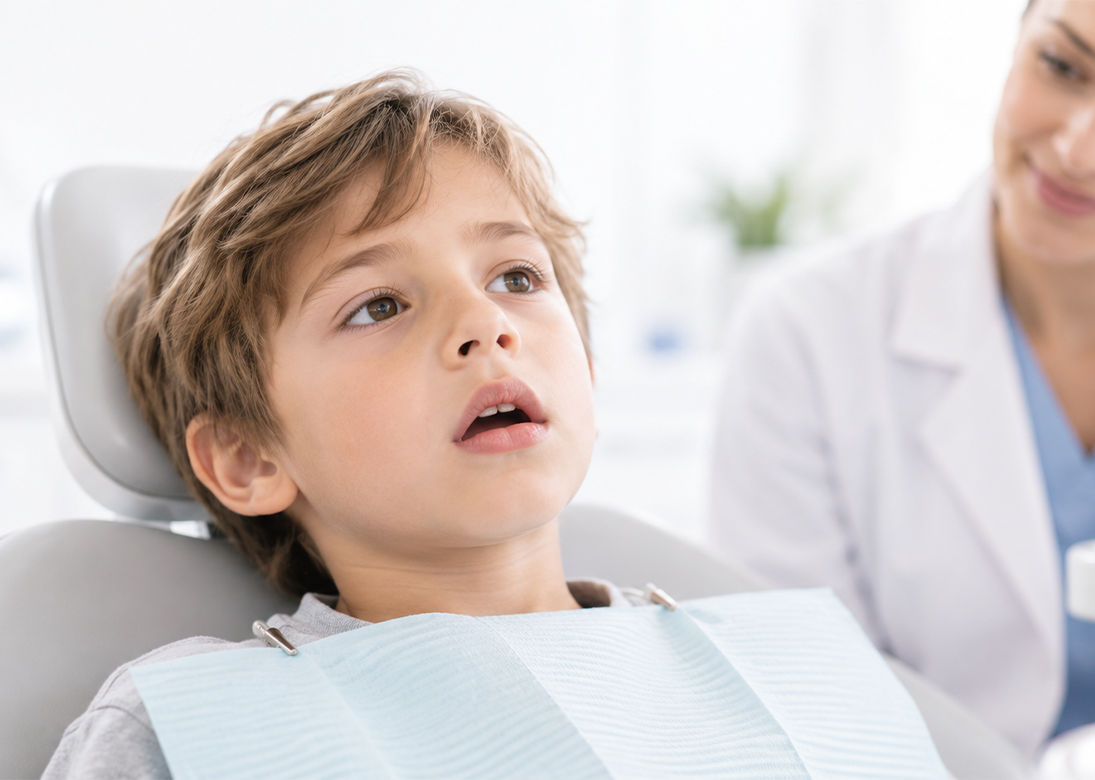
Child Mouth Breathing: 7 Dental Signs Parents Often Miss Now
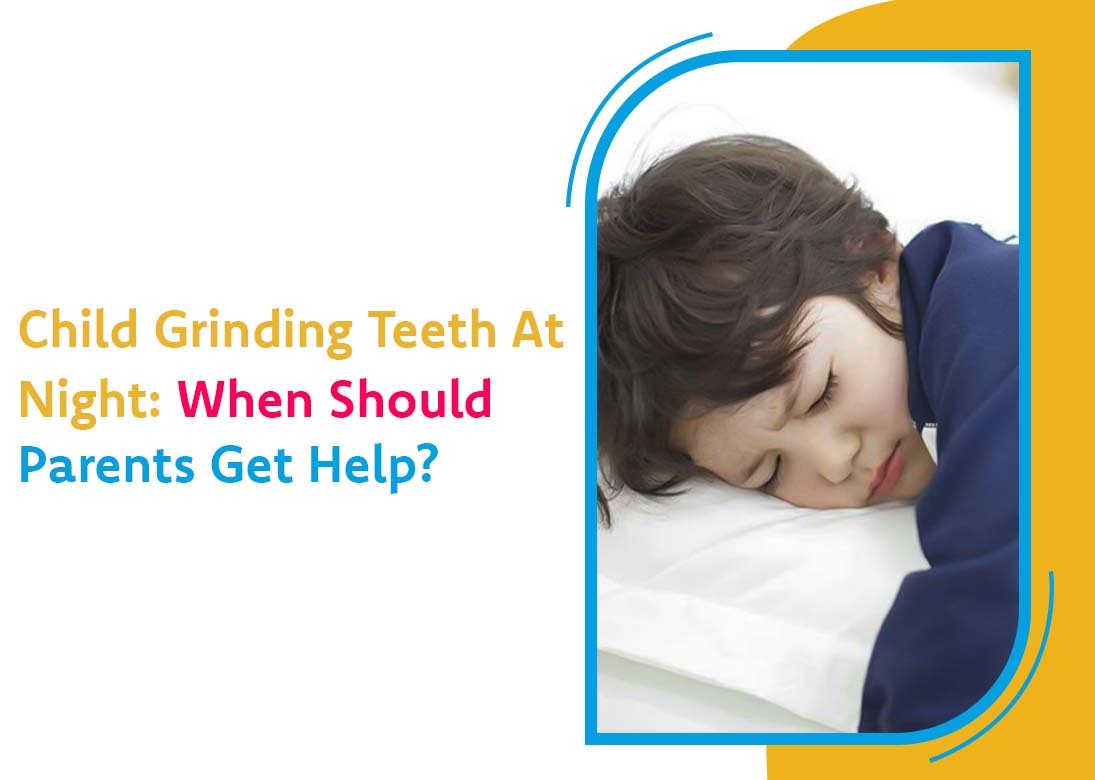
Child Grinding Teeth at Night: When Should Parents Get Help?
Pediatric Airway Dentistry: When Breathing Changes the Smile